Can UV Rays Fade or Weaken Roofing Shingles Over Time?
Your roof spends every day exposed to sunlight, and that exposure eventually leaves a mark.
September 10, 2026 · 4 min read
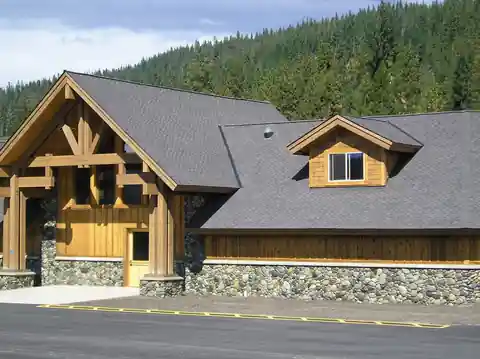
Your roof spends every day exposed to sunlight, and that exposure eventually leaves a mark. UV rays can fade the color of asphalt shingles, dry out the material, and make older shingles more likely to crack. This guide explains how sun exposure affects roofs in Ellensburg, which warning signs matter, and when it may be time for an inspection.
Key Takeaways
- UV rays can fade shingles and gradually weaken the asphalt underneath.
- Fading alone may be cosmetic, but fading with cracks or granule loss can indicate deeper wear.
- Regular inspections can help catch damaged shingles before they lead to leaks.
Can UV Rays Fade or Weaken Roofing Shingles Over Time?
The short answer is that they can. The damage usually develops slowly after years of exposure rather than during one hot summer.
Asphalt shingles have mineral granules that give them their color and protect the asphalt from sunlight. As these granules wear away, more asphalt becomes exposed to UV rays, which can cause it to dry out and become brittle.
This matters in Ellensburg where roofs face sunny summers along with wind, snow, and freezing winter temperatures. All those conditions work together, so shingles that are already weakened by the sun may be more likely to crack, curl, or lift.
How Do UV Rays Affect Roofing Shingles?
When homeowners ask “can UV rays fade or weaken roofing shingles over time?”, they often focus on the change in color. However, fading is only one part of what long-term sunlight and heat can do to a roof.
1. Asphalt Deterioration
UV rays and high roof temperatures can slowly dry out the asphalt in shingles. As the material loses flexibility, it may become brittle and more likely to crack when temperatures change or strong Ellensburg winds move across the roof.
2. Protective Granule Loss
Granules create a protective layer between the asphalt and the sun. When too many granules wear away, the exposed asphalt may look dark, smooth, or shiny and can begin to deteriorate more quickly.
3. Fading and Uneven Color
Faded roof shingles are often easier to spot on south-facing and west-facing roof slopes because those areas receive more direct sunlight. Mild, even fading may only affect appearance, but patchy fading can sometimes point to uneven granule loss or past roof repairs.
4. Cracking and Curling
Dry, brittle shingles may develop small cracks along their surfaces or edges. You may also notice corners curling upward, shingle tabs lifting, or sections that no longer lie flat against the roof.
5. Faster Wear in Damaged Areas
UV exposure can worsen shingles already affected by wind, falling debris, or age. Common signs of UV shingle damage include fading, bald patches, cracks, curled edges, and excessive granules in the gutters. Check from the ground and have a roofer inspect anything that looks unusual.
Does Shingle Fading Mean Your Roof Needs Replacement?
Not necessarily. Remember that a change in color does not automatically mean the roof has failed. Mild fading may be cosmetic if the shingles remain flat, flexible, and well covered with granules.
A roofer will also consider the roof’s age, granule coverage, flashing, ventilation, and history of leaks. A slightly faded 10-year-old roof may still have years of service left, while an older roof with bald patches, curled edges, and repeated leaks may be ready for replacement.
Small areas of damage may only need repairs. However, widespread brittleness, cracking, curling, and granule loss may make replacement a more practical long-term choice.
When Should You Call a Roofing Contractor?
Schedule an inspection when fading appears along with cracks, bald areas, curling, loose shingles, or moisture inside your home. These combinations may indicate shingle damage Ellensburg homeowners should address before the next season of strong wind, snow, or freezing weather.
You should also call a roofer if you notice a sudden increase in granules around your downspouts. Some granule loss is normal, especially on new or aging shingles, but heavy buildup can mean part of the roof is wearing faster than expected.
Frequently Asked Questions
Does shingle fading mean my roof is damaged?
Not always. Mild fading may only affect the roof’s appearance, but fading combined with cracks, curling, or missing granules can point to deeper deterioration.
Which side of a roof usually fades the fastest?
South-facing and west-facing roof slopes often fade faster because they receive more direct sunlight. Shade, roof pitch, and nearby buildings can also affect how evenly your shingles age.
Can UV rays cause a roof leak?
UV rays do not usually cause a roof leak overnight. However, long-term exposure can make exposed asphalt brittle, contributing to cracks that may eventually allow water beneath the shingles.
Can faded asphalt shingles be restored?
Faded asphalt shingles generally cannot be returned to their original color with a simple treatment. Before applying a coating or cleaning product, ask a roofer whether it is safe for your shingles and warranty.
How often should I have my roof inspected?
An annual inspection is a practical choice, especially if your roof is older or has previous damage. You should also arrange an inspection after strong winds, falling branches, or another severe weather event.
Columbia Plateau Roofing, (509) 472-6378
Call (509) 472-6378More articles
How Long Does a Shingle Roof Last in Ellensburg WA
Most asphalt shingle roofs last about 20 to 30 years, but yours may need attention sooner or last longer depending on its condition.
How to Prepare Your Roof for Winter in Ellensburg WA
If you’re wondering how to prepare your roof for winter, start by checking for damage, clearing the gutters, and fixing leaks before snow arrives.